Garden Bark & Mulch
As your local landscape supplier, we offer a full range of garden bark and garden mulch for your landscaping projects, including black bark mulch, decorative bark nuggets and landscaping mulch.
Available by the bag or by the trailer load, we offer both pickup and delivery options. Call us today for our competitive pricing.
-
Bark, Mulch & Straw
#3 Decorative Mulch
Fine-grade garden mulch for flower and veggie beds. Retains moisture & suppresses weeds; popular in smaller gardens.
-
Bark, Mulch & Straw
Pea Straw Bales
Quality pea straw bales — popular in veggie beds and strawberry patches. Locks in moisture, suppresses weeds, and enriches soil.
-
Bark, Mulch & Straw
#5 Decorative Bark Nuggets
Attractive garden bark nuggets for tidy beds and paths. Available for delivery or trailer loads.
-
Bark, Mulch & Straw
#6 Decorative Bark Nuggets
A larger grade decorative nugget for bigger areas. Great for shrubby gardens with trees.
-
Bark, Mulch & Straw
6B Cambium Mulch
A larger grade than the 5B and often seen in orchards under trees or on sloping hills and banks
-
Bark, Mulch & Straw
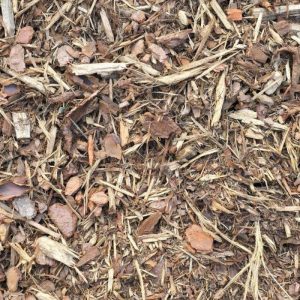
Forest Floor Mulch
Coarse garden mulch with a natural, organic look. Ideal for natives and large garden beds.
-
Bark, Mulch & Straw
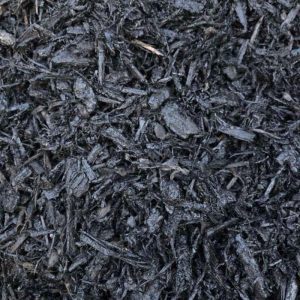
Black Bark Mulch
Black garden bark is a decorative bark with a modern finish; while still suppressing weeds and locking in soil moisture.
-
Bark, Mulch & Straw
Landscape Lock
An adhesive concentrate diluted with water and sprayed over mulches and pebbles, bonding them in place to withstand wind, rain, slopes, and garden blowers.
Garden Bark & Mulch FAQs
How deep should garden mulch be?
A depth of 5–10cm is the recommended range for most NZ garden applications. Apply 5–7cm around vegetable beds and smaller plants, and 7–10cm around shrubs, trees, and larger ornamental beds where longer-lasting weed suppression is needed. Too shallow and weeds will push through; too deep and water may struggle to penetrate to the roots below. Keep mulch away from the base of plant stems and tree trunks — leave a 5–10cm gap to prevent rot.
How often should you replace or top up garden mulch?
In most NZ gardens, mulch should be replenished once or twice a year — typically in spring before the growing season begins, and again in late summer or early autumn before winter. Bark mulch breaks down slowly and may only need topping up once annually. Finer organic mulches like pea straw break down faster (usually within one growing season) and need replenishing every spring. Rather than doing a full replacement, top up to restore your desired depth — usually adding 3–5cm is enough to refresh the look and effectiveness.
What is the difference between bark mulch and garden mulch?
The terms are often used interchangeably, but there are differences. Bark mulch is specifically made from shredded or chipped tree bark — it’s longer-lasting, slower to decompose, and ideal for ornamental beds, paths, and around trees and shrubs. Garden mulch is a broader term that can include a range of organic materials: bark, pea straw, wood chips or compost. At Gammans, all bark and mulch products are manufactured on-site at our Omokoroa yard, meaning consistent quality and reliable supply — unlike suppliers who source from external stock.
Does garden mulch prevent weeds?
Yes — mulch is one of the most effective chemical-free weed suppressants available. A layer of 5–7cm depth blocks most weed seeds from receiving the light they need to germinate. It won’t eliminate weeds entirely (some persistent weeds will still push through), but it dramatically reduces the weeding workload through the growing season. For best results, remove existing weeds before mulching, and maintain the correct depth. Coarser bark grades like #5 Bark Nuggets tend to outperform finer mulches for long-term weed suppression.
What type of mulch is best for vegetable gardens?
For vegetable gardens, pea straw is widely regarded as the best mulch in NZ. It’s soft enough to plant through, breaks down to add nitrogen and organic matter to the soil, retains moisture around plant roots, and is particularly effective for tomatoes, courgettes, and strawberry beds. Fine bark mulch (like Gammans #3 Decorative Mulch) also works well around vegetable beds for moisture retention and weed suppression and as a pot topper. Many experienced gardeners use pea straw in the veggie patch and bark mulch in ornamental areas — the best of both worlds.
Is bark mulch bad for plants?
No — when applied correctly, bark mulch is beneficial for plants. The key is correct application depth (5–10cm) and keeping mulch away from plant stems and tree trunks. For new plantings it’s worth adding a slow-release fertiliser below the mulch layer when you apply it.
How much mulch do I need? How do I calculate it?
Calculate: Length (m) × Width (m) × Depth (m) = Volume in cubic metres (m³). For example, a 4m × 5m garden bed mulched to 7cm depth requires 4 × 5 × 0.07 = 1.4m³. One cubic metre covers roughly 10–20m² depending on depth and the grade of mulch. If you’re buying in bags, most bulk bags contain 0.6–1m³. If you’re unsure about your quantities, drop into the Gammans yard with your measurements — or call us on 027 548 1278. We work through these calculations with customers every day.