
One of the most common questions we hear when people are planning a garden or outdoor project is: “How much of these garden supplies do I actually need?”
Whether you’re refreshing garden beds, laying a path, topping up mulch, or filling raised beds, estimating your landscape supplies doesn’t need to be complicated. A little planning upfront can save you money, reduce waste, and make sure you only buy what you need.
Here’s a simple, no-stress way to estimate how much landscaping material or garden supplies you’ll need for your project.
Step 1: Measure the Area
Start by measuring the length and width of the area you’re covering.
- Measure in metres
- Multiply length × width to get square metres (m²)
Example:
A garden bed that’s 4m long and 2m wide
4 × 2 = 8m²
If your area isn’t a perfect rectangle, break it into smaller sections, measure each one, then add them together.
Step 2: When Estimating Your Landscape Supplies, Depth Matters
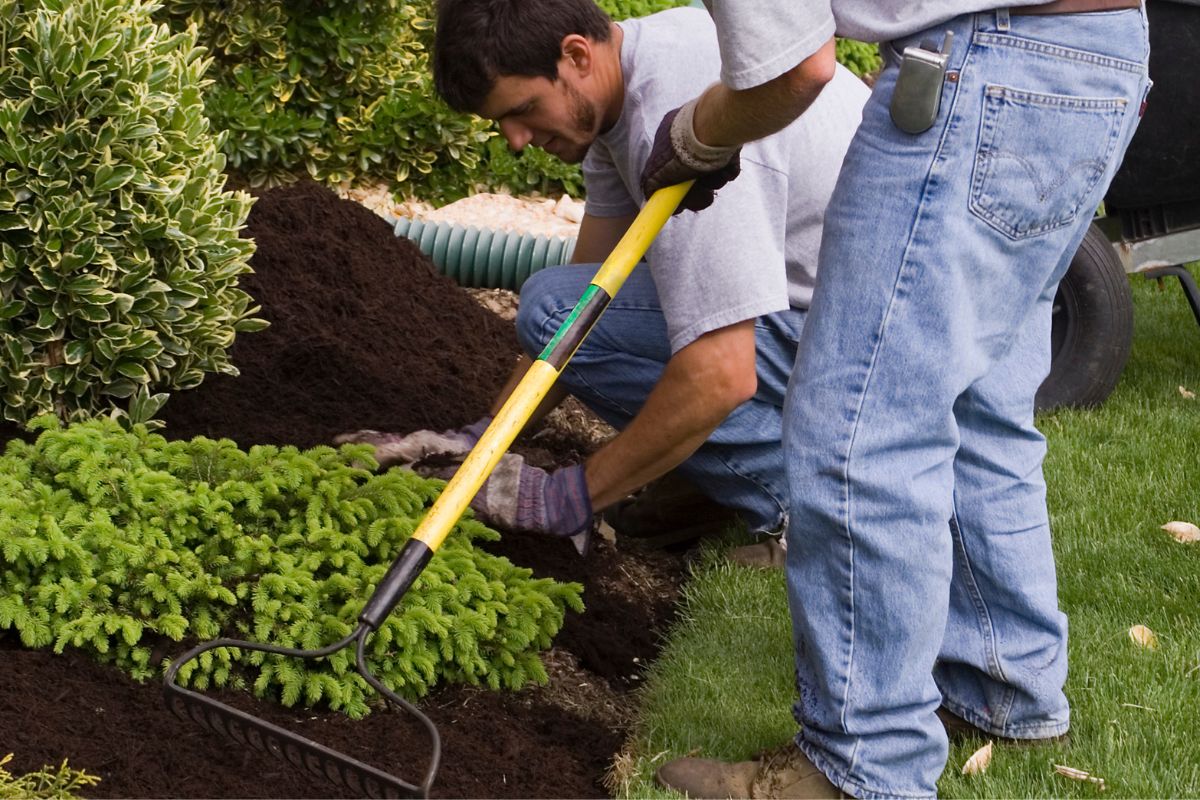
Once you know the size of the area, the next step is deciding how deep your landscape supplies or garden supplies need to be. This is where most people accidentally under-order.
Typical Depth Guide
- Mulch / bark / pea straw: 50–75mm (5–7.5cm)
- Compost & garden soil: 100–200mm (10–20cm)
- Raised beds: 300mm+ depending on what you’re growing
- Paths (stone or bark): 50–100mm
- Drainage aggregates: 100–150mm
A good rule of thumb…
Surface garden supplies like mulch can be shallower, while structural landscape supplies such as soil and aggregates should always go deeper.
Step 3: Convert Area & Depth Into Volume
Most landscape supplies are sold by volume (cubic metres) or by the bag.
The Simple Formula
Square metres × depth (in metres) = cubic metres
Example:
8m² garden bed × 0.1m depth (10cm) = 0.8m³
That’s the volume of compost or soil you’ll need.
Step 4: Buying Bulk vs Bags of Garden Supplies
Bulk Landscape Supplies
Buying bulk landscaping materials is ideal for:
- Large garden beds or growing lawns
- Multiple areas at once
- Raised beds
- Bigger landscaping projects
Bulk landscape supplies are usually more cost-effective and efficient for larger jobs.
Bagged Garden Supplies
Bagged garden supplies are better for:
- Small gardens
- Top-ups
- Easy handling
- Tight access areas
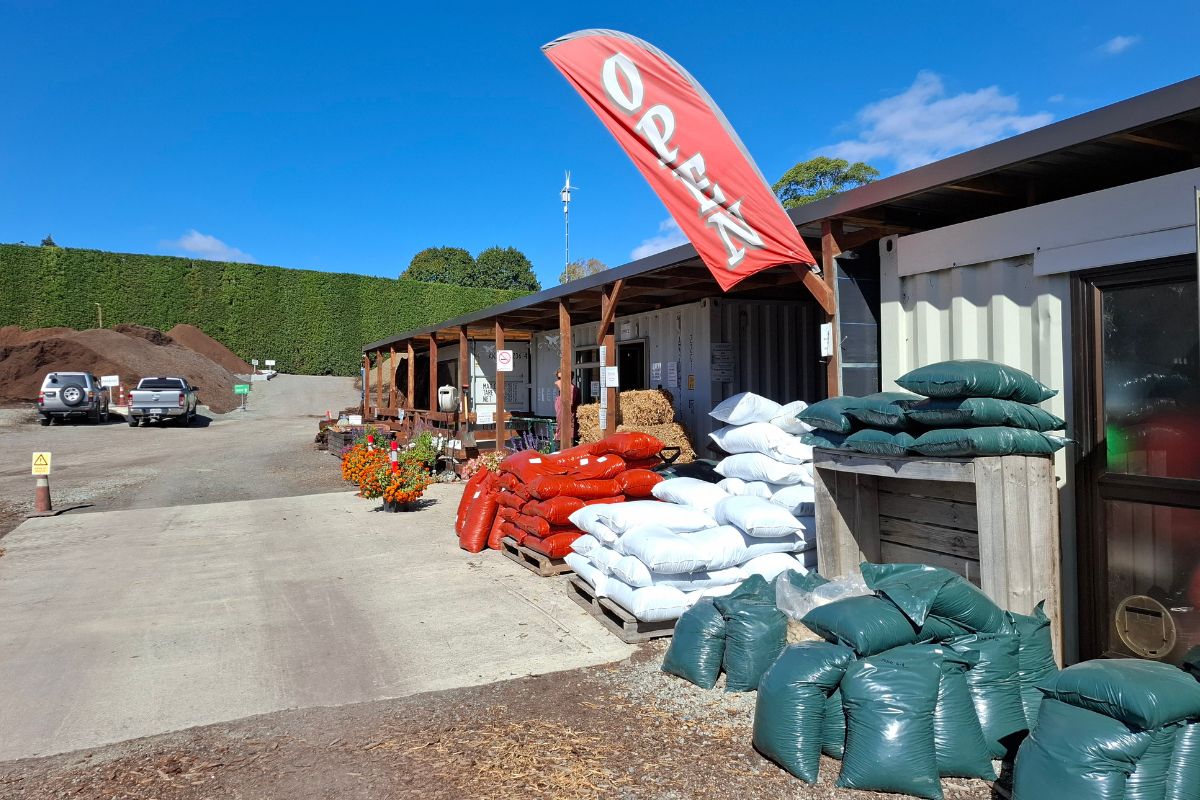
If you’re using bags, check the litre size on the bag:
- 1 cubic metre = 1,000 litres
- A 40L bag = 0.04m³
- Around 25 bags = 1m³
Step 5: Always Allow a Little Extra
This is the golden rule when ordering landscaping materials and garden supplies.
Soil settles. Mulch compacts. Bark flattens. And running short halfway through a job is frustrating!
Allow an extra 10–15%, especially for:
- Compost
- Soil
- Mulch
- Bark
Common Estimation Examples
Mulching a garden bed
- Area: 10m²
- Depth: 75mm (0.075m)
- Volume needed: 0.75m³
Filling a raised garden bed
- Bed size: 2m × 1m × 0.4m
- Volume needed: 0.8m³
Garden path with bark or stone
- Area: 6m²
- Depth: 0.1m
- Volume needed: 0.6m³
Not sure how much landscaping materials you’ll need? Talk to Us
If measuring and calculating feels overwhelming, you’re not alone. Choosing the right landscaping materials and garden supplies is much easier when you get advice before you load up.
What to Bring:
- Your measurements
- A photo (if you have one)
- Or just a rough idea of what you’re doing
A quick conversation can help you avoid over-buying or coming up short.
Talk to a Team Who Knows Landscaping
When it comes to choosing the right landscape supplies and garden supplies, experience matters. We’re family-owned and operated with over 60 years of hands-on experience, and we know landscaping inside out and back to front. From small backyard projects to large landscaping jobs, we’ve helped generations of locals get their quantities right and their projects finished properly.
If you’re looking for practical advice, honest guidance, or help estimating materials, talk to us. Our team is always happy to help you start with confidence – and finish with a garden project you’ll love.