
Spring is here, and right across the Bay of Plenty, greenhouses and windowsills are filling up with seed trays. If you’ve got seedlings coming along at home, or you’re just about to sow your first tray of the season, the biggest factor in how well they grow isn’t the seed itself. It’s what you put them in. Getting the right soil at each stage, from germination through to the garden, makes the difference between a seedling that struggles and one that takes off.
There are four products that come up again and again this time of year: seed raising mix, potting mix, compost, and garden mix, and a lot of gardeners aren’t quite sure which one does what. In this guide, we’ll walk through exactly what we recommend at each stage, so your seedlings get the best possible start from the moment they germinate to the day they go in the ground.
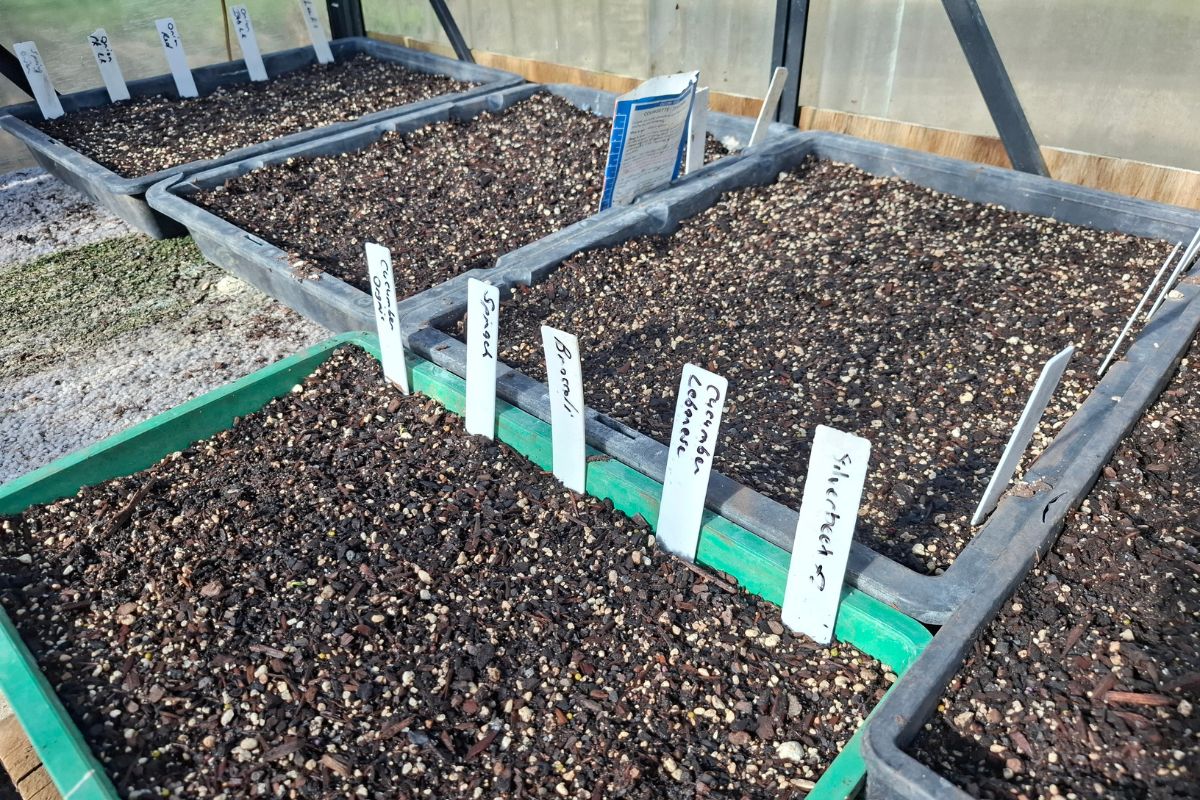
Seed Raising Mix: Getting Germination Right
Everything starts here. Seed raising mix is a fine, free-draining blend, specifically designed to be low in nutrients, which sounds like a downside until you understand why. Seeds carry their own store of energy to germinate, and young roots are extremely sensitive; a rich, high-nutrient mix can actually burn delicate new roots or encourage rot in the moist conditions seeds need to sprout.
Use seed raising mix for:
- Sowing seeds directly into trays, punnets, or small pots
- Taking cuttings
- Any stage where you’re waiting on germination or very early root development
We make our seed raising mix on-site here in Omokoroa, so if you’re after a reliable seed raising mix in Tauranga this spring, it’s in stock and ready to go, bagged, so you can grab exactly what you need for a few trays or a whole greenhouse setup.
Potting Mix: Once Your Seedlings Are Ready to Move Up
Once seedlings have a few true leaves and a decent root system, it’s time to move them out of seed raising mix and into potting mix. Potting mix has a coarser structure than seed raising mix and holds a better balance of moisture and drainage, along with the nutrients young plants need as they put on real growth.
Use potting mix for:
- Potting up seedlings into bigger pots
- Containers, hanging baskets, and window boxes
- Filling raised garden beds where a lighter growing medium suits what you’re planting
Our Premium Potting Mix is enriched with peat from our own Hauraki mine. Peat holds moisture and nutrients well without waterlogging, has a naturally light, open structure that lets roots breathe, and helps the mix hold onto nutrients so they’re available to the plant over time rather than washing straight through. That’s what makes it such a good base and because we source it ourselves, it’s a step up from generic potting mix on the shelf at a hardware store, made locally, and made to a consistent standard batch to batch.
You can read more about potting mix in our article What Makes a Good Potting Mix?
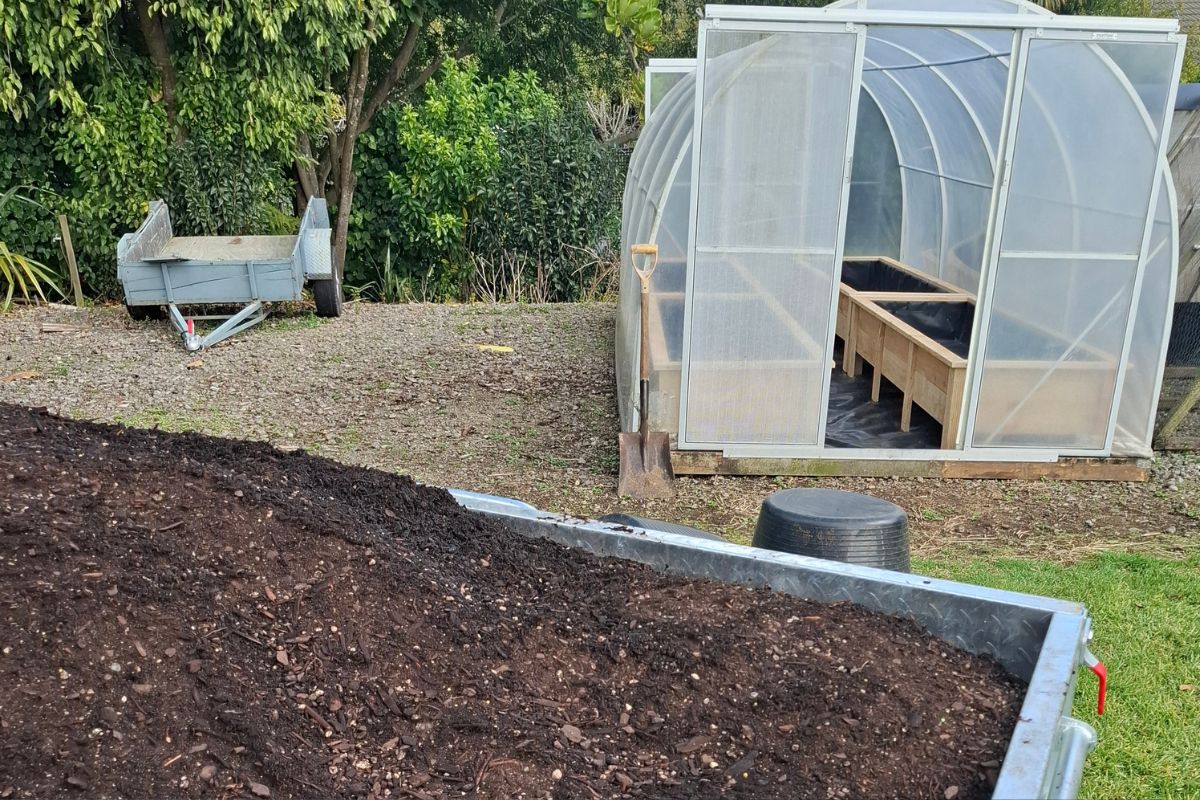
Compost: Refreshing Tired Garden Soil
Compost plays a different role, compost is a soil amendment (soil conditioner): something you dig into existing garden soil to feed it and rebuild its structure
If your garden beds looked a bit tired coming out of winter, this is exactly the moment to dig some compost through the top 20cm or so of soil before you plant. It’s one of the simplest ways to get an existing bed back into shape for the season ahead.
Use compost for:
- Digging into existing garden beds before spring planting
- Top-dressing established beds through the growing season
- Improving structure in soil that’s become compacted or depleted
Like everything else here, our compost is made on-site, so if you’re after bagged or bulk compost in Tauranga to give your tired garden beds a proper refresh this spring, it’s ready to go.
Garden Veggie Mix: For New Veggie Beds and Planter Boxes
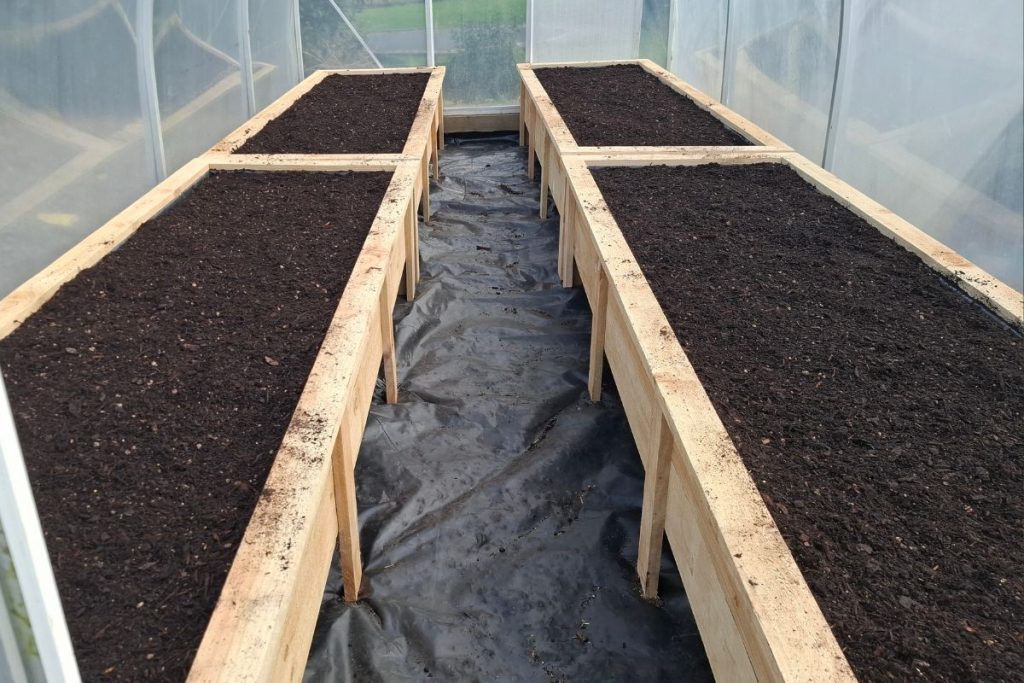
This is where our Superior Garden Mix comes in, a blend of our Premium Potting Mix and Premium Compost, built specifically to become the ultimate vegetable mix! It combines the drainage and structure of potting mix with the nutrient density of compost, so it works well whether you’re starting completely fresh or refreshing a bed you’ve grown in before.
There are a few ways to use it, depending on what you’re working with:
- Existing garden beds: work Gammans garden veggie mix through the top layer of your existing soil each spring to give it a nutrient refresh before you plant.
- Planter boxes: fill directly with Gammans garden veggie mix, no need to blend it with anything else, it’s ready to plant straight into.
- In-ground veggies: dig a hole roughly the size you’d use for a punnet or seedling, fill it with Gammans garden veggie mix, and plant directly into that pocket. It’s a simple way to give an individual plant a strong start even if the surrounding soil isn’t ideal.
It’s one of our most popular products through spring, and for good reason. It takes the guesswork out of what to use for a vegetable garden.
Pea Straw: The Finishing Touch Once Everything’s Planted
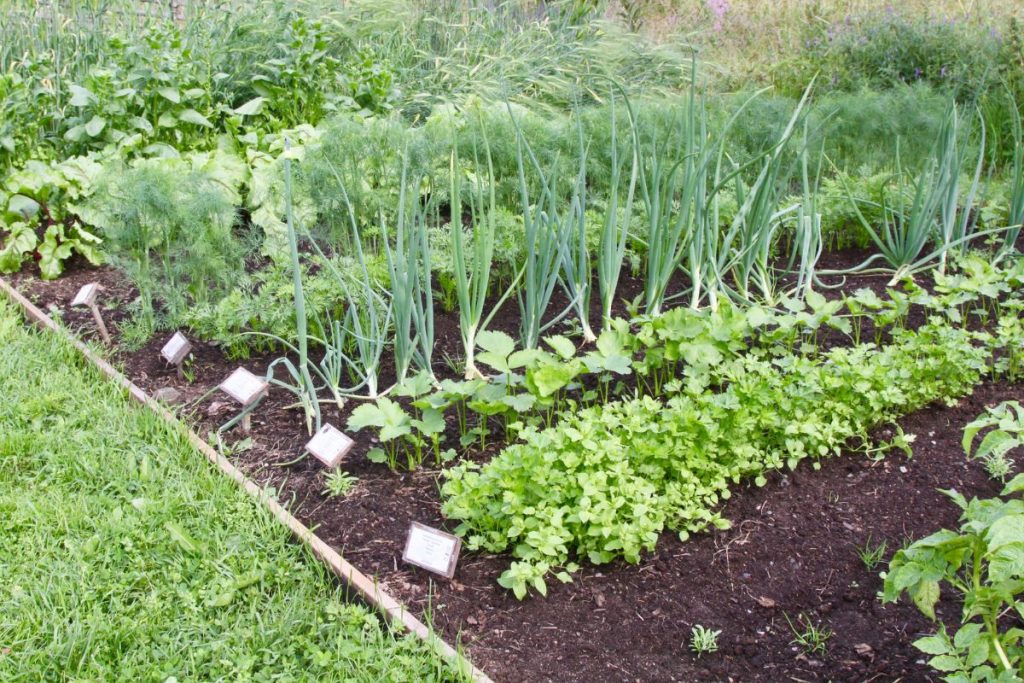
Once your seedlings are in, whether that’s in a refreshed garden bed, a planter box, or an in-ground planting pocket, a layer of pea straw on top finishes the job. Spread it around your plants at around 5 to 7cm deep, keeping it raked back slightly from stems and seedlings.
Pea straw does two jobs at once. It locks in moisture so you’re not watering as often through the warmer months ahead, and it suppresses weeds before they get a foothold. As it slowly breaks down over the season, it also adds a bit of nitrogen back into the soil, which is a welcome bonus for hungry vegetable crops like tomatoes and leafy greens. It’s particularly well suited to veggie beds and strawberry patches.
We stock pea straw bales at the Omokoroa yard, so it’s easy to grab a few at the same time as your garden mix.
Quick Reference: What to Use, When
- Sowing seeds or taking cuttings: seed raising mix or propagation mix
- Potting up seedlings, filling containers: potting mix
- Refreshing an existing garden bed: compost
- Starting a new veggie bed, planter box, or in-ground planting pocket: garden veggie mix
- Finishing off after planting: pea straw
Give Your Spring Garden the Right Start
Whether you’ve got trays of seedlings on the windowsill right now or you’re already out in the garden getting beds ready, using the right mix at each stage sets you up for a much better season. Seed raising mix for germination, potting mix once seedlings are established, compost to refresh tired ground, and garden veggie mix for new veggie beds and planter boxes: all four are made right here at our Omokoroa yard, so you’re getting a consistent, locally-made product at every stage.
Not sure which one your project needs? Pop into the yard and we’ll talk you through it. We help Bay of Plenty gardeners with exactly this question most days of the week through spring. Seed raising mix, potting mix, compost, and garden veggie mix are all available bagged or in bulk, with free courtesy trailers if you need a hand getting a load home. Open 7 days at 49 Plummers Point Road, Omokoroa.